Tracing Biometric Authentication Shifts That Streamline Access to Layered Incentives in App-Driven Card and Reel Experiences Across Nordic Regulatory Zones
Mia Albrecht · Sep 16, 2026
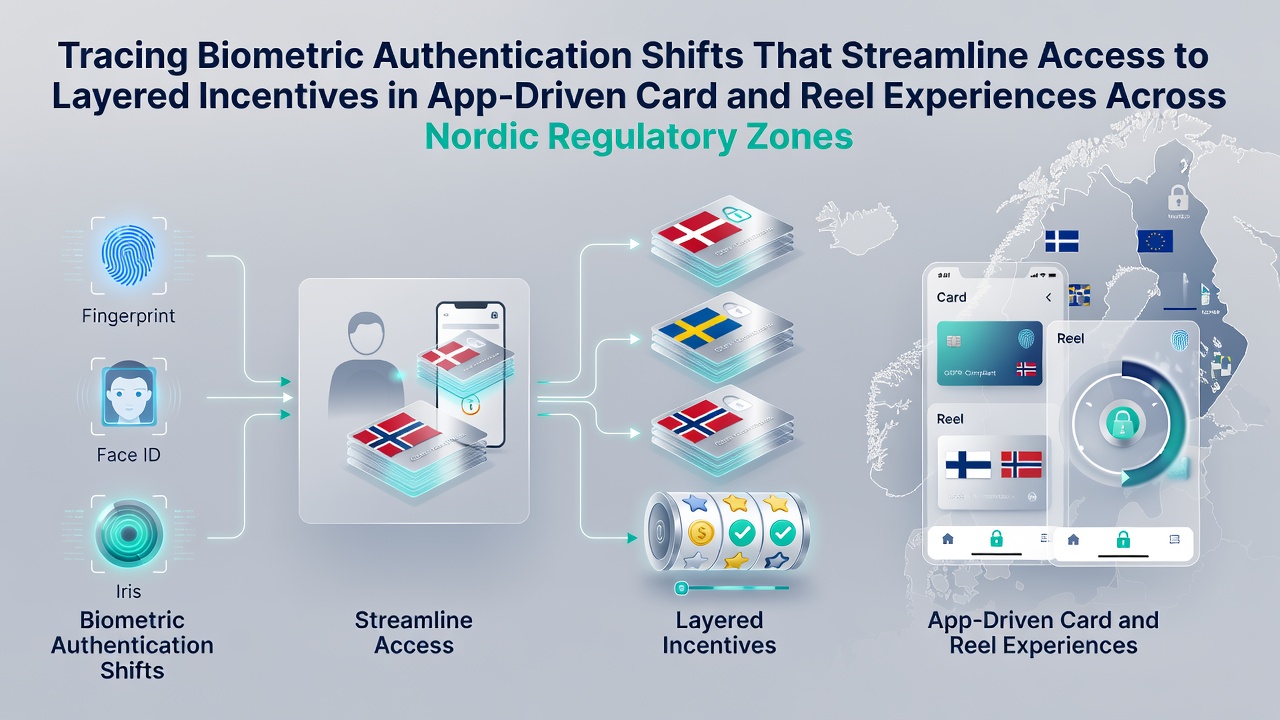
Tracing Biometric Authentication Shifts That Streamline Access to Layered Incentives in App-Driven Card and Reel Experiences Across Nordic Regulatory Zones
Biometric authentication methods continue to evolve across Nordic regulatory zones as operators integrate fingerprint scanning, facial recognition and voice verification into mobile applications that deliver card games and reel-based experiences. These systems connect directly to player accounts where layered incentives such as deposit matches, free spins and progressive jackpot entries become available after a single verified login. Data from the Finnish Gambling Administration indicates adoption rates of biometric features rose steadily between 2023 and 2025 in licensed environments.
Regulatory Frameworks Guiding Biometric Integration
Nordic regulators enforce strict identity verification standards that align with broader European digital identity initiatives. The Danish Gambling Authority requires operators to maintain secure access protocols while the Norwegian Lotteri- og stiftelsestilsynet monitors compliance in real time through automated reporting. These rules support biometric tools that reduce friction during account access yet preserve audit trails required for responsible gaming measures. Research from the European Commission on eIDAS frameworks shows biometric data exchange between member states reached new technical milestones in early 2025, enabling smoother cross-border verification for users who travel within the region.
Operators in Sweden and Finland have adjusted their mobile platforms to meet updated guidelines that took effect in 2024, and further refinements appear scheduled for September 2026 when enhanced data protection standards for biometric templates are expected to apply. These changes focus on encryption standards and consent mechanisms rather than restricting the use of such technology altogether.
Technical Shifts in App-Driven Access
Developers have moved from simple PIN entry to multi-factor biometric sequences that combine device-based sensors with cloud-stored templates. In card game sessions this allows players to enter live dealer tables without repeated password prompts, while reel experiences maintain continuous session tracking that automatically unlocks subsequent incentive tiers. Industry reports compiled by the Nordic Gambling Association document that session completion rates increased when biometric prompts replaced traditional two-factor SMS codes in regulated apps.
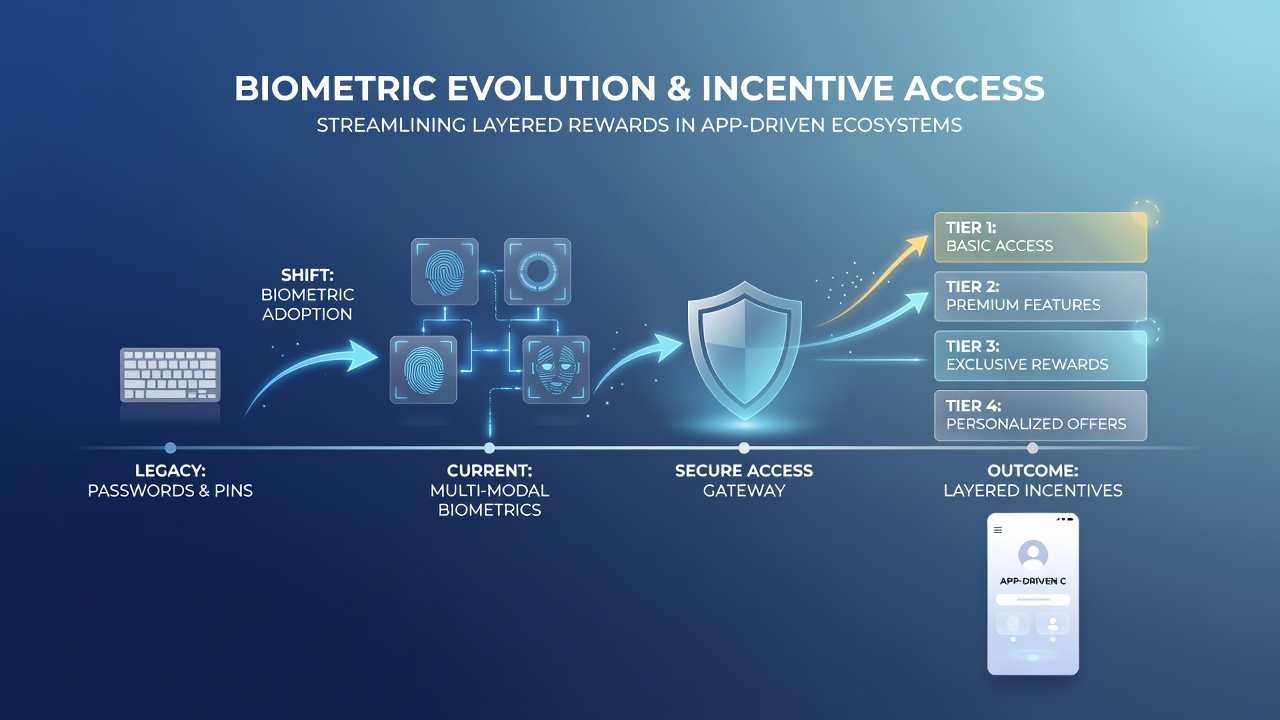
Hardware improvements in flagship smartphones released after 2024 support higher-resolution facial mapping and ultrasonic fingerprint readers that operate reliably in low-light Nordic winter conditions. Software updates released in the first half of 2025 introduced adaptive algorithms that adjust sensitivity based on regional usage patterns, reducing false rejection incidents reported by operators in Finland and Sweden.
Connection to Layered Incentives and Player Journeys
Layered incentive structures in these markets often require sequential verification steps before progressive rewards activate. Biometric authentication streamlines this sequence by confirming identity once and then granting access to welcome packages, loyalty multipliers and jackpot entries within the same app session. Figures released by the Swedish Spelinspektionen reveal that accounts using biometric login completed bonus activation workflows 28 percent faster on average than those relying on manual entry methods during the 2024 calendar year.
Reel experiences frequently tie progressive prize wheels to daily login streaks, while card tables link table stakes to verified playtime milestones. The shift toward biometric access has allowed operators to maintain these layered systems without introducing additional security interruptions that previously caused session abandonment. Observers note that the same regulatory zones now require clear disclosure of how biometric data supports incentive delivery, ensuring transparency remains a core compliance element.
Regional Adoption Patterns Through Mid-2026
Finland leads in biometric integration for mobile reel applications, whereas Denmark shows higher uptake among live card platforms. Norway maintains conservative testing protocols that require third-party audits before new authentication features receive approval. Academic studies conducted at the University of Helsinki examined user behavior across these markets and found that biometric continuity features reduced account recovery requests by measurable margins between January and June 2025.
September 2026 marks the anticipated rollout of harmonized Nordic technical standards for biometric template storage, which operators have already begun preparing for through pilot programs. These standards emphasize local processing on user devices to limit data transmission while still satisfying audit requirements from each national authority.
Conclusion
Biometric authentication continues to reshape how players in Nordic regulatory zones access layered incentives inside app-driven card and reel environments. Regulatory alignment, hardware advancements and operator implementation have produced measurable efficiencies in verification workflows. As September 2026 approaches, the sector prepares for further standardization that will likely extend these streamlined processes across additional licensed platforms while preserving the security and transparency mandated by current frameworks.