Interface Personalization Effects on Player Choices for Roulette Variants and Slot Themes Within Licensed Nordic Mobile Applications
Eden Walter · Nov 11, 2026
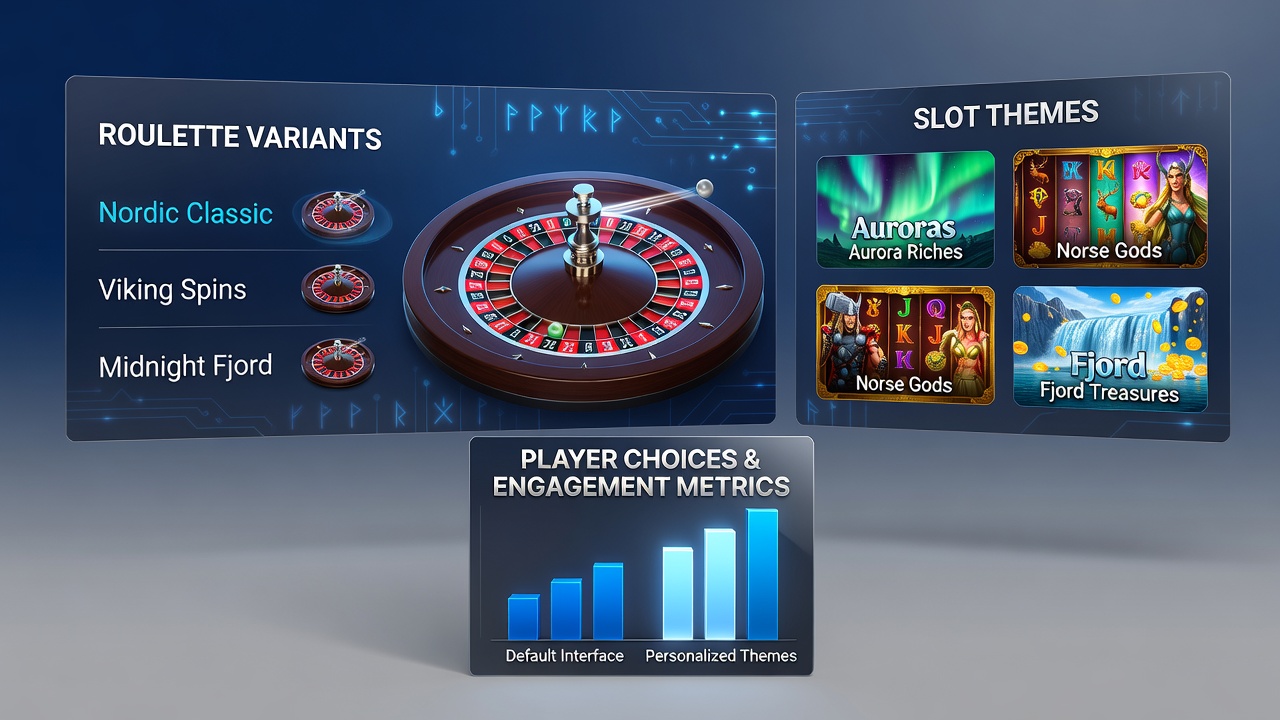
Interface Personalization Effects on Player Choices for Roulette Variants and Slot Themes Within Licensed Nordic Mobile Applications
Personalization features in licensed Nordic mobile applications shape how players approach roulette variants and slot themes through tailored recommendations and dynamic layouts that reflect previous activity patterns. Data from regulated operators indicates that users encounter adjusted menus highlighting specific roulette options like European or French variants alongside slot themes drawn from historical selections, and this occurs within environments governed by national licensing bodies across Finland, Sweden, and Norway. Observers note that such adjustments appear in apps that comply with strict local rules on fair play and transparency, with changes often rolling out through software updates that track engagement metrics without crossing regulatory boundaries.
Core Mechanisms Driving Personalization
Algorithms process user data on time spent with particular roulette wheel styles or slot icon sets, then reorganize the home screen to position favored elements at the top while suggesting related alternatives based on session length and frequency. Researchers from academic institutions tracking Nordic digital gaming have documented that these systems operate on real-time inputs collected during active play periods, which allows interfaces to shift emphasis between fast-paced American roulette layouts and slower, strategy-focused variants in response to detected preferences. The process integrates with mandatory responsible gaming tools required under Nordic licensing frameworks, so personalization remains secondary to limits on session duration and deposit amounts that stay consistent regardless of displayed content.
Operators licensed in these markets report that interface changes include color-coded highlights for themes matching past interactions, such as adventure-style slots appearing more prominently after repeated plays in similar categories, and this occurs alongside standard navigation that keeps all variants equally accessible. Figures from industry reports reveal that players who receive such prompts tend to explore a narrower set of options within a single session, though overall variety across multiple sessions remains comparable to non-personalized experiences when measured over extended periods.
Impacts on Roulette Variant Selection
Personalized prompts in Nordic mobile apps frequently direct attention toward roulette variants that align with recorded betting patterns, for instance positioning European roulette with its single-zero wheel ahead of multi-zero alternatives when data shows repeated selections of lower-house-edge options. Studies conducted by European research groups have shown that these adjustments correlate with quicker decision-making during initial spins, as users encounter pre-filtered lists rather than exhaustive menus that require manual scrolling through every available format. In November 2026, several licensed platforms plan to introduce enhanced filtering layers that incorporate seasonal event themes into roulette interfaces, allowing players to toggle between standard and modified wheel presentations while maintaining compliance with national oversight requirements.
Those monitoring app performance across regulated Nordic markets find that roulette choices shift more noticeably when personalization incorporates social proof elements, such as displaying community play counts for specific variants, yet these displays always adhere to verified outcome reporting standards enforced by licensing authorities. The result appears in metrics showing stable participation rates across different wheel types, with users who follow suggestions maintaining similar total wager volumes as those navigating independently.
Effects on Slot Theme Engagement
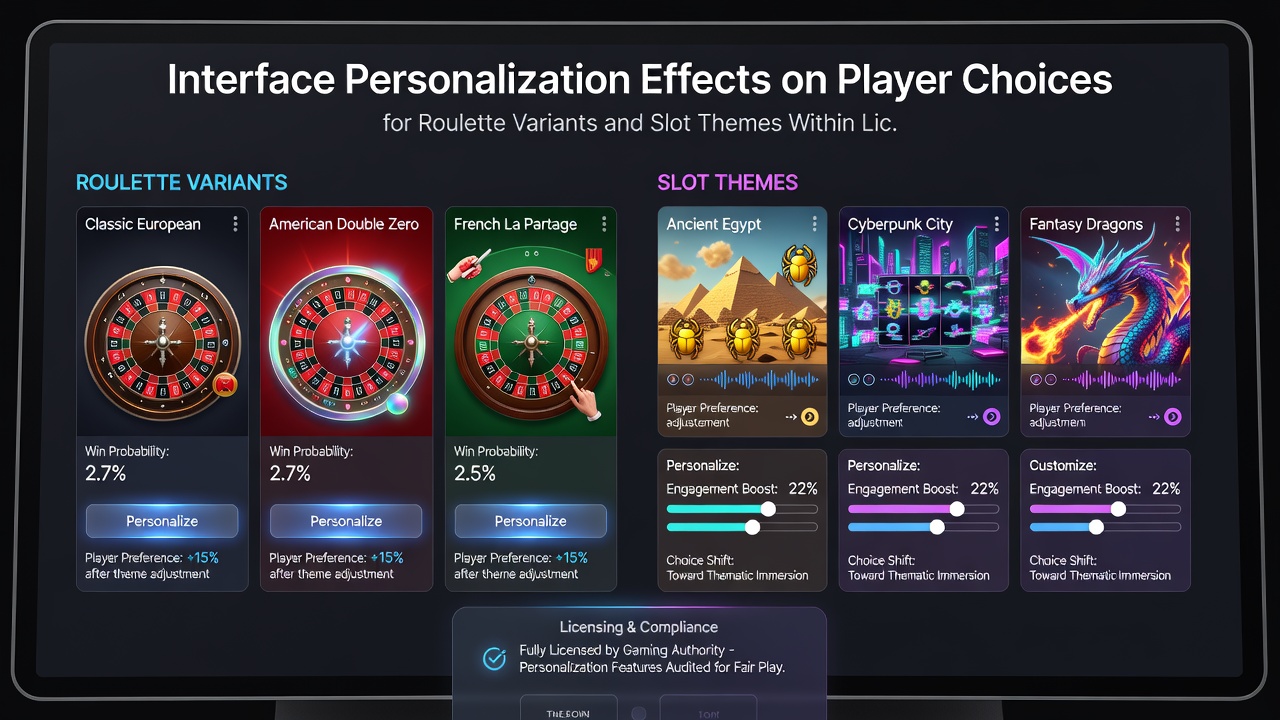
Slot theme recommendations adapt according to interaction history, placing high-volatility titles or narrative-driven reels in prominent positions when patterns indicate preference for extended bonus rounds over quick spin cycles. According to findings published by the Norwegian Directorate of Gaming and Foundation, such targeted displays influence initial theme selection rates while leaving overall play duration and return-to-player exposure unchanged across the broader library. Players in licensed environments encounter these adjustments through carousel-style carousels or grid layouts that refresh daily based on aggregated anonymized data, ensuring individual privacy protections remain intact under current Nordic regulations.
What's notable is how theme categorization evolves with updates that group content by mechanic type rather than solely by visual style, which allows users to discover mechanical similarities between previously selected slots and new releases without explicit category searches. Data collected through operator dashboards indicates that engagement with suggested themes rises in the short term, then stabilizes as players cycle through both recommended and independent choices over successive sessions.
Regulatory Context and Measurement Approaches
Licensed Nordic applications must submit interface modification logs to oversight bodies that verify personalization does not restrict access to any approved game variant or theme. A report issued by the Swedish Gambling Authority outlines requirements for clear labeling of all available options, even when algorithms prioritize certain displays, and this framework extends to mobile formats where screen space limits visible content at any single moment. Researchers tracking these systems across multiple jurisdictions have observed that measurement relies on A/B testing protocols comparing personalized versus static interfaces, with results showing modest differences in choice distribution that do not alter aggregate player behavior statistics.
External analyses from institutions such as the University of Melbourne's gambling research unit provide comparative data from other regulated markets, confirming that similar personalization techniques produce consistent patterns when applied under strict licensing conditions. These studies emphasize that any influence on selections operates within boundaries set by mandatory disclosure of game rules and probabilities, preventing interface design from overriding factual information presented to users.
Conclusion
Interface personalization in licensed Nordic mobile applications continues to evolve through measured integration of user data with regulatory safeguards, affecting how players initially approach roulette variants and slot themes while preserving full access to all licensed content. Ongoing updates scheduled around November 2026 will likely refine these systems further, incorporating additional data points without altering core compliance standards. Those examining the sector note that documented effects remain tied to observable metrics rather than speculative outcomes, and continued reporting from national authorities will provide the primary source for tracking developments in this area.